
SSM Health Rural Hospitals Remain the Backbone of Southern Illinois Communities Amid Growing Physician Shortage
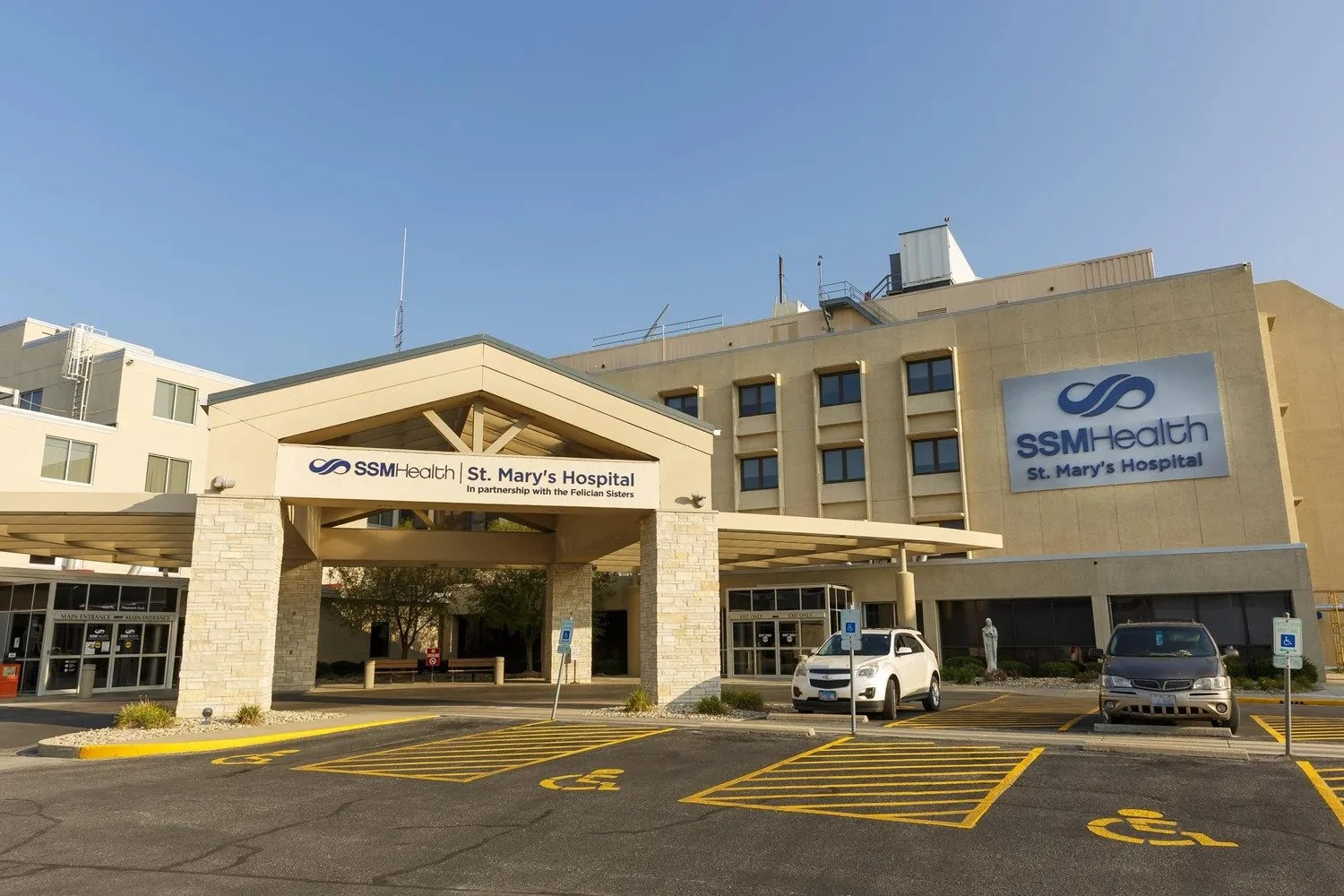
SSM Health St. Mary’s Hospital
618-436-8000
400 N. Pleasant Ave. | Centralia, IL
https://www.ssmhealth.com/locations/illinois/st-marys-hospital-centralia
-
SSM Health Good Samaritan Hospital
618-899-4600
1 Good Samaritan Way | Mt. Vernon, IL
https://www.ssmhealth.com/locations/illinois/good-samaritan-hospital-mt-vernon
Rural hospitals play a vital role in ensuring access to health care across Southern Illinois, but growing physician shortages continue to place increasing pressure on care teams and the communities they serve.
In a recent interview with The Fulcrum, Damon Harbison, president of SSM Health Good Samaritan Hospital, SSM Health St. Mary’s Ho-spital, and SSM Health’s Rural Health Network of Illinois, shared how national physician shortages are disproportionately affecting rural areas.
“We’re seeing more patients with fewer doctors,” Harbison said. “That’s an equation we’re living with every day, and it can lead to longer wait times and increased strain on providers.”
According to national and state data cited in the article, while 20% of the U.S. population lives in rural areas, only 9% of physicians practice in those communities. Illinois is projected to face a significant physician shortage by 2030, with rural counties among the most impacted. Rural populations also tend to be older, which increases demand for more complex and ongoing care. “In smaller towns, population growth is slower, and residents are often older,” Harbison said. “With age comes more health issues, and those issues become more complex.”
At SSM Health in Southern Illinois, leaders are focused on addressing the shortage by supporting physicians and care teams, not only through recruitment but by creating sustainable practice environments.
Harbison emphasized the importance of strong clinical teams, including nurse practitioners, nurses, and support staff, as well as reducing administrative burden so physicians can focus on patient care. Initiatives such as Project One, designed to improve efficiency and streamline workflows, aim to better support providers facing heavier patient volumes. “When physicians are taking on more patients than they normally would, we have to find ways to be more efficient,” Harbison said. “We want the best life for them.”
Looking ahead, Harbison recognizes that strengthening the physician pipeline will be critical to the future of rural health care. That pipeline includes medical students like Shrihita, a fourth-year student at the Southern Illinois University School of Medicine, who aspires to practice psychiatry in a rural community after completing her residency. “We as physicians have a duty to serve all patients,” Shrihita said in the interview, noting that rural and underserved populations, particularly those in need of mental health services, often lack consistent access to care.
Programs such as the SIU School of Medicine’s Lincoln Scholars Program, along with other rural-focused medical education initiatives across Illinois, are designed to prepare future physicians for the unique challenges and rewards of rural practice.
For Harbison and SSM Health teams across Southern Illinois, rural hospitals serve as more than care locations; they are anchors for their communities. “When rural hospitals are strong, communities are strong,” Harbison said. “Through teamwork, innovation, and continued investment in caregivers, we’re committed to ensuring Southern Illinois communities have access to high-quality care close to home.”